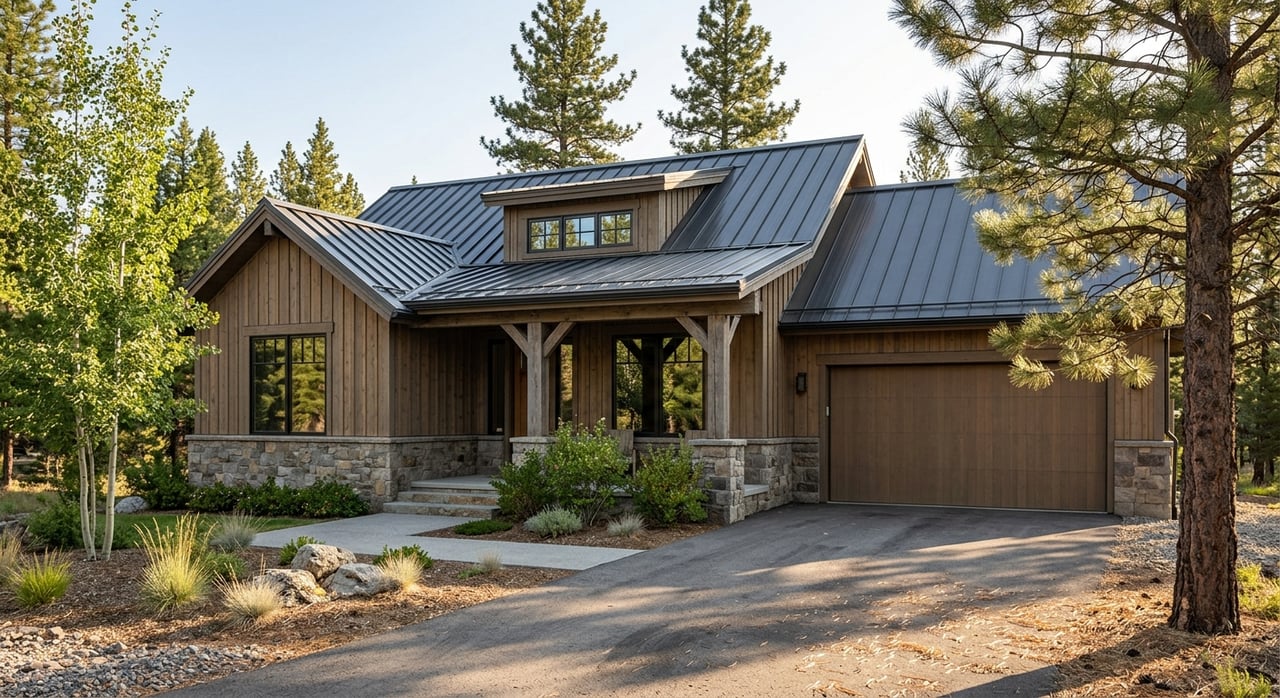
If Estes Park has ever felt magical on a weekend trip, you may be wondering what it would actually feel like to live here full time. That is a smart question, because daily life in a mountain town is different from vacation mode. When you imagine life as a local in Estes Park, it helps to look past the postcards and understand the rhythms of errands, weather, community, and access. Let’s dive in.
What daily life feels like
Estes Park is a small mountain town at the east entrance of Rocky Mountain National Park, about 90 miles northwest of Denver. It sits at 7,522 feet above sea level, and the town had an estimated population of 5,780 in July 2025.
That smaller scale shapes how life feels day to day. This is not a fast-growing suburb with endless retail and constant expansion. It feels more compact, more established, and more connected to the seasons.
Census data also gives a useful snapshot of the community. About 34.4 percent of residents are age 65 or older, 12.0 percent are under 18, and 69.0 percent of homes are owner-occupied.
For you, that may translate to a town with steady routines, familiar faces, and a strong sense of place. If you want mountain access with a real year-round community, Estes Park can feel like a very intentional lifestyle choice.
Downtown is the practical center
Downtown Estes Park is more than a place visitors stroll for an afternoon. It is also the practical core of everyday life, especially around the Riverwalk area that follows the Big Thompson and Fall River.
The Riverwalk Parking Garage has 415 free spaces and serves as the hub for five seasonal free town shuttle routes. In peak summer, the town uses a mix of free and paid public parking, so local routines often work around visitor traffic and busier streets.
That does not mean daily life becomes impossible. It simply means you learn the town’s rhythm, know when downtown is busiest, and plan errands with a little more intention during high season.
Running errands in town
One of the biggest questions relocation buyers ask is simple: can you handle normal life without leaving town all the time? In Estes Park, the answer is often yes for many everyday needs.
The Country Market of Estes Park offers fresh produce, butchered meat, dairy, baked goods, deli items, salad bar offerings, and natural and organic groceries. Its daily hours, from 7:00 a.m. to 8:30 p.m., make it a dependable stop for regular routines.
Other practical businesses listed in town include Ace Hardware and Rocky Mountain Pharmacy. You also have local coffee options like Kind Coffee and River Walk Cafe, which help make everyday life feel a little more social and a little less rushed.
The tradeoff is that Estes Park has a smaller retail base than a larger Front Range city. If you are imagining life here, it helps to picture a more local, essentials-first pattern for errands rather than endless shopping options close by.
Public spaces support year-round living
A town feels different when it has places locals actually use all year. Estes Park has that in a few important ways.
The Estes Valley Library has a downtown main branch plus The Twig at the Estes Valley Community Center. The library serves more than 12,000 local residents, hundreds of seasonal residents, and many thousands of visitors, and it offers year-round programs, public computers, 24/7 WiFi, and 1GB fiber internet on-site.
That matters if you work remotely, need reliable internet access outside the house, or simply want a flexible public space in town. Census data also shows that 90.5 percent of households have a broadband subscription, which is helpful context if you are considering a hybrid or remote-work move.
The Estes Valley Community Center is another practical anchor. It is open year-round, with weekday hours from 6 a.m. to 8 p.m., Saturday hours from 9 a.m. to 6 p.m., and Sunday hours from noon to 5 p.m., giving residents an indoor option when weather changes your plans.
Weather shapes real life here
Living at elevation is one of the biggest lifestyle shifts for newcomers. Estes Park’s mountain environment means weather can change quickly, and that affects everything from how you dress to how you schedule your day.
According to the National Park Service, conditions shift rapidly because of the mountains and elevation. For locals, that usually means layered clothing, flexible plans, and a willingness to adapt when sun, wind, or snow show up faster than expected.
This is one of those details that can sound small until you live it. In practice, it becomes part of your routine and part of the mindset that makes mountain living work well.
Rocky Mountain National Park becomes part of home life
One of the biggest draws of Estes Park is obvious. Rocky Mountain National Park borders the town’s east entrance, with 300 miles of hiking trails across 415 square miles.
When you live here, park access becomes less of a special occasion and more of a lifestyle feature. Early morning walks, shoulder-season drives, and regular trail time can become part of your week instead of something you save for vacation.
At the same time, living near the park also means understanding the logistics. During the busiest months, access requires a little more planning.
Timed entry changes summer spontaneity
As of 2026, timed-entry reservations are required from May 22 through October 12 between 9 a.m. and 2 p.m. A separate Bear Lake Road reservation is required from 5 a.m. to 6 p.m. through October 18.
For you, that means a casual summer mid-morning park trip may not be as spontaneous as it sounds. Many locals adjust by heading out earlier, visiting in the off-season, or planning park days in advance.
This is a good example of the Estes Park lifestyle in general. The rewards are real, but the best experience usually comes from knowing the systems and adjusting to the seasons.
Transportation has a seasonal rhythm
Estes Park offers transportation options that can make getting around easier, especially when town is busy. The Town of Estes Park operates five free seasonal shuttle routes, and Rocky Mountain National Park runs a Hiker Shuttle from the Estes Park Visitor Center to the Park & Ride on Bear Lake Road.
That support is useful, but it is also seasonal by nature. Just like many parts of mountain-town life, transportation patterns shift with visitor demand and the time of year.
Visit Estes Park also notes that Bustang serves Estes Park from Denver on weekends and select holidays in 2026. That may be helpful if you want another option for some Front Range trips without driving the full route yourself.
Getting in and out of town
One practical advantage of Estes Park is that getting here from the east is relatively straightforward because there are no mountain passes to cross. That can make the town feel more accessible than some other mountain destinations.
Still, seasonality matters. Trail Ridge Road from the west usually opens Memorial Day weekend and closes by early to mid-October when snow arrives, which affects west-side travel planning.
If you are thinking about moving here, this is an important mindset shift. Estes Park is accessible, but daily and seasonal planning still matters in ways that may feel unfamiliar if you are coming from a metro area.
Community life goes beyond tourism
A lot of buyers worry that a destination town might feel lively only when visitors are around. Estes Park gives a different picture.
The official events calendar includes annual events, arts and culture, food and drink, free events, live music, wellness, sports and races, family events, and community events. The community events page specifically mentions recitals, school events, church bake sales, and club fundraisers, which suggests a town shaped by regular local participation, not just seasonal tourism.
That year-round rhythm matters if you want a place that feels lived in, not just visited. It points to a community identity with recurring traditions and small civic touchpoints that help people stay connected.
Every season brings its own energy
Estes Park is not just a summer town. Winter events include SkiJor, the First Peoples Festival, Wine & Chocolate, Whiskey Warm Up, and Frozen Dead Guy Days.
Spring brings events like Bigfoot Days, the Estes Park Art Market, and the Wool Market. Together, that seasonal mix shows a town with activity and personality throughout the year.
If you are imagining your life here, that can make a big difference. It means your calendar can still feel full even when peak visitor season fades.
What families may want to know
For households with children, the Estes Park School District is compact and easy to understand. Estes Park Elementary serves PK-5, Estes Park Middle serves grades 6-8, and Estes Park High serves grades 9-12.
The district also points families to a 24/7 mental-health support line and broader community bulletin-board resources. That does not tell you everything about daily family life, but it does suggest close ties between school resources and the wider community.
For many buyers, that smaller-scale setup can feel easier to navigate than a large district with many campuses spread across a wider area.
Housing context matters too
Lifestyle is a big part of the decision, but housing costs are part of the picture too. Census estimates show a median owner-occupied home value of $664,200 and a median gross rent of $1,511 in Estes Park.
Those numbers help ground expectations. Buying or renting here means balancing the appeal of mountain-town living, park access, and community feel with the pricing realities of a well-known destination market.
For some buyers, that tradeoff is absolutely worth it. For others, it is a reason to think carefully about budget, property type, and how often you plan to use the lifestyle benefits that come with living here.
Who tends to love living in Estes Park
Estes Park often fits people who want outdoor access to be part of normal life, not an occasional escape. It can be a strong match if you value a compact downtown, a smaller community, and a calendar shaped by seasons and local events.
It may also appeal to remote or hybrid workers who want a mountain setting while still having broadband access and local public amenities that support everyday routines. And for second-home buyers, the town’s setting and housing mix can align well with a lifestyle-focused purchase.
The main question is not whether Estes Park is beautiful. It is whether you want the real version of mountain-town living, including the planning, seasonality, and smaller-scale conveniences that come with it.
Imagining your version of local life
If you are considering a move to Estes Park, try picturing an ordinary Tuesday instead of a holiday weekend. Think about grocery runs, weather changes, library visits, downtown parking in summer, early park mornings, and community events that keep the town feeling connected all year.
That picture is often the most helpful one. It moves you past the vacation fantasy and into a clearer understanding of whether this lifestyle truly fits how you want to live.
If you want help thinking through that fit, from mountain-market tradeoffs to the practical side of buying in the Estes Valley, Alissa Anderson is here to guide you with local insight and thoughtful, relationship-first support.
FAQs
What is daily life like for full-time residents in Estes Park?
- Daily life in Estes Park tends to feel small-town, seasonal, and outdoors-oriented, with local errands, community events, and regular awareness of weather, visitor traffic, and park access logistics.
What should buyers know about weather in Estes Park?
- Estes Park sits at 7,522 feet, and mountain weather can change quickly, so full-time living usually means dressing in layers, keeping plans flexible, and preparing for sudden shifts in conditions.
What should residents know about Rocky Mountain National Park access from Estes Park?
- Rocky Mountain National Park is right next to town, but during the busiest 2026 season, timed-entry reservations are required on certain dates and times, so summer park visits often need advance planning.
What errands can you handle in Estes Park without leaving town?
- Residents can handle many everyday needs in town, including groceries, pharmacy stops, hardware needs, library use, coffee outings, and community center visits.
What makes Estes Park feel like a real community year-round?
- Estes Park has recurring local events across all seasons, along with civic touchpoints like recitals, school events, club fundraisers, the library, and the community center that support year-round local life.
What is helpful for relocation buyers to know about Estes Park housing costs?
- Census estimates show a median owner-occupied home value of $664,200 and a median gross rent of $1,511, which can help you set realistic expectations as you compare lifestyle goals with budget.