If you picture mountain life as the same experience year-round, Glen Haven may surprise you. This small Larimer County community follows a very seasonal rhythm, where weather, road access, recreation, and everyday logistics shape how you live from month to month. If you are thinking about buying, selling, or simply understanding the area better, it helps to know what changes with each season and what stays constant. Let’s dive in.
Glen Haven's Seasonal Rhythm
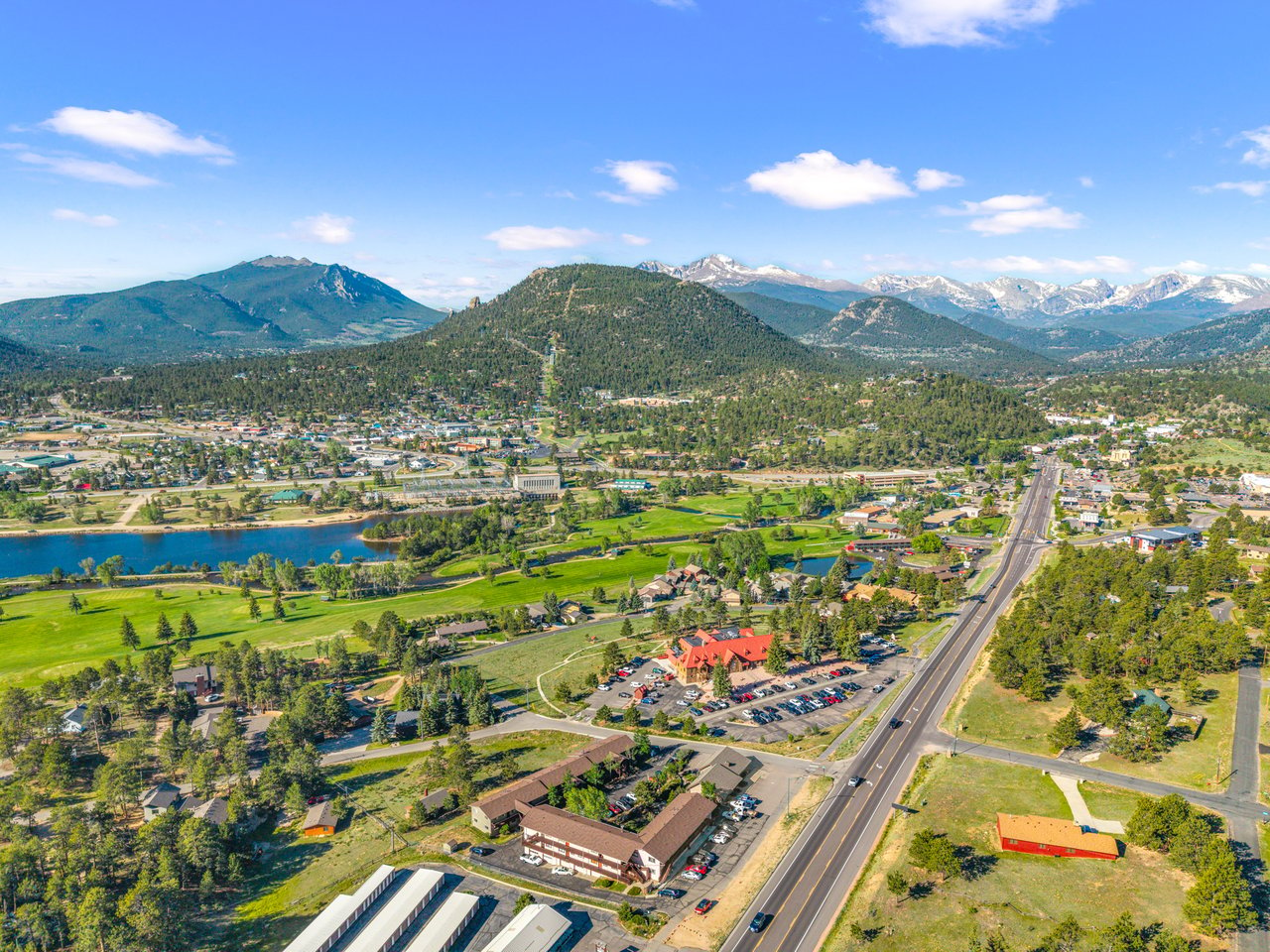
Glen Haven is best understood as a mountain community with a mix of summer family cabins and year-round homes. Rather than revolving around a busy downtown, daily life tends to center on access, weather conditions, and a few local anchors like Town Hall, the post office, and the general store.
You reach Glen Haven from US 34 at Drake by taking Larimer County Road 43, also called Devil's Gulch Road. The Glen Haven Area Volunteer Fire Department places the community about 7 miles north of Estes Park, which helps explain why many routines involve planning ahead instead of making quick in-town stops.
Summer Living in Glen Haven
Summer is when Glen Haven feels the most active. Warmer weather, easier travel, and nearby recreation bring more movement to the area, especially with hikers, fishermen, picnickers, and people heading toward Rocky Mountain National Park.
A nearby NOAA climate station in Estes Park shows July normals around 79.3°F for the average high and 47.9°F for the average low. That usually means mild mornings, comfortable afternoons, and cool evenings, which is a big part of the area's summer appeal.
Rocky Mountain National Park reports more than 350 miles of hiking trails, and summer is the busiest recreation season. Some campgrounds require advance reservations during that time, which tells you how much demand builds once the snow is gone and trail access improves.
Summer also comes with dry-season planning. In unincorporated Larimer County, fire restrictions can become part of everyday life, so residents and visitors need to stay aware of current conditions and adjust outdoor plans as needed.
What Summer Often Feels Like
In practical terms, summer living in Glen Haven often means:
- More day visitors and seasonal residents
- Easier driving conditions than winter
- Frequent outdoor recreation nearby
- More social activity around local community spots
- Continued need to plan errands beyond Glen Haven itself
Even in the busiest season, Glen Haven remains a small mountain community. You still need to think ahead about groceries, deliveries, and appointments in a way you might not in a suburban area.
Fall and Spring Bring Uncertainty
The shoulder seasons in Glen Haven can be beautiful, but they can also be the least predictable. If you are used to a steady transition between seasons, mountain living here may feel a little less linear.
NOAA normals for the Estes Park area show measurable snow not only in winter, but also in April, October, November, and December. That means you may see a warm, sunny day followed by a sharp weather shift that affects travel, yard work, or outdoor plans.
Spring also brings runoff and flash flood concerns in mountain areas, according to Larimer County. That issue carries real local weight because Glen Haven, Drake, and Waltonia were heavily affected by the September 2013 flooding, and that history still shapes how residents think about drainage, roads, and access.
Why Shoulder Seasons Matter
If you are considering a home in Glen Haven, spring and fall are often when the practical side of mountain property becomes more visible. You are more likely to notice how a driveway handles moisture, how drainage moves across a lot, and how quickly weather changes can affect access.
For sellers, these seasons can also highlight the value of clear property preparation and realistic buyer education. Buyers in mountain markets want to understand not just the charm of a home, but also how it functions when conditions are less predictable.
Winter Is a Different Pace
Winter changes the tempo of life in and around Glen Haven. Snow, ice, colder temperatures, and shorter days make planning more important and spontaneous travel less simple.
The nearby NOAA climate reference shows January normals around 40.0°F for the average high and 18.9°F for the average low. Annual snowfall is listed at 75.1 inches, which gives you a strong sense of how much winter shapes the area.
Rocky Mountain National Park notes that many high-elevation trails are snow-covered from late October to early June. Snowshoeing and cross-country skiing are common winter activities, and traction devices are often helpful because conditions can change quickly.
Larimer County also cautions that even county-maintained roads can become impassable in extreme weather. During severe conditions, four-wheel drive with chains may be needed, which is an important part of setting realistic expectations for winter access.
Winter Living Essentials
If you live in Glen Haven year-round, winter often means paying closer attention to:
- Road conditions before heading out
- Vehicle readiness for snow and ice
- Backup plans for power outages
- Heating reliability during severe cold
- Timing errands around weather windows
That does not mean winter living is impossible or unusual here. It means you need to approach it with preparation and respect for mountain conditions.
Everyday Logistics Matter More Here
One of the biggest truths about seasonal living in Glen Haven is that daily logistics matter more than many buyers first expect. Larimer County's rural Code of the West makes this clear by noting that county government cannot provide city-level service, some roads are not maintained or plowed, parcel delivery can be limited, and utilities and communications may be less reliable in outlying mountain areas.
That guidance is not meant to discourage you. It is meant to help you understand the lifestyle honestly, which is especially important if you are relocating from a more urban or suburban setting.
Mail and Deliveries
USPS maintains a Glen Haven Post Office, which is a helpful local anchor. At the same time, Larimer County notes that mail delivery is not available everywhere in rural areas and that standard parcel and overnight delivery can be a problem.
For you, that means delivery expectations should be verified instead of assumed. If a property's convenience depends on frequent shipments, that detail deserves attention early.
Utilities and Communication
Larimer County also says water, sewer, electric, telephone, and other services may not operate at urban standards in mountain areas. Cell service may not work everywhere, and power outages are more common in outlying locations.
This is one of the clearest differences between seasonal mountain living and town living. In Glen Haven, it helps to think about resilience, not just convenience.
Emergency Response and Community Support
The Glen Haven Area Volunteer Fire Department notes that it coordinates with the sheriff's office, US Forest Service, Rocky Mountain National Park, and Estes Park Ambulance Service. That tells you emergency response is regional and collaborative, which fits the realities of a mountain community.
A Larimer County fragility study also found the Glen Haven, Drake, and Waltonia area scored high in connectedness and stability. Residents identified needs around utilities, communication, housing, and access after the 2013 floods, which suggests a community where local relationships and preparedness matter in a very practical way.
What This Means for Buyers
If you are buying in Glen Haven, seasonal living should be part of your decision-making from the start. The question is not only whether you love the setting. It is also whether the property fits the way you plan to use it throughout the year.
For a summer cabin or second home, you may focus on recreation access, travel convenience, and how the home functions during periods when you are away. For a full-time residence, you may look more closely at winter access, utility reliability, delivery logistics, and how much self-sufficiency you want day to day.
Helpful questions to ask include:
- How is the property typically accessed in winter?
- What should you know about road maintenance or snow removal?
- How do mail and package delivery work at this address?
- What utility or communication limitations should you expect?
- How does the property handle drainage and runoff?
These are not small details in a place like Glen Haven. They are part of understanding the real lifestyle that comes with the address.
What This Means for Sellers
If you are selling in Glen Haven, seasonal living is also part of your home's story. Buyers are often drawn to the mountain setting first, but they gain confidence when they also understand how the property works in real life.
Clear, thoughtful presentation can help your home stand out. That may include showing how the property fits summer recreation, winter access, or year-round use, while also being transparent about practical features that matter in a rural mountain setting.
For mountain properties especially, strong marketing is not just about pretty photos. It is also about helping buyers picture the home in every season and understand the tradeoffs with confidence.
Why Local Guidance Helps
Glen Haven is close to Estes Park, but it has its own rhythm and expectations. A buyer or seller who understands those patterns is usually in a better position to make smart decisions, ask better questions, and avoid surprises later.
That is especially true in mountain and foothills markets, where access, seasonality, and property-specific details can affect how a home is used and how it is perceived. Practical local guidance can make the process feel much more grounded.
Whether you are exploring a year-round move, a summer retreat, or the sale of a mountain home, it helps to work with someone who understands how Glen Haven lives across all four seasons. If you are ready to talk through your goals, connect with Alissa Anderson for thoughtful, local guidance.
FAQs
Is Glen Haven a seasonal community or a year-round community?
- Glen Haven is a mix of summer family cabins and year-round homes, according to the Glen Haven Area Volunteer Fire Department.
What is winter access like in Glen Haven?
- Winter access can include snow, ice, and occasional road interruptions, and Larimer County says even maintained roads can become impassable in severe weather.
What is summer like in Glen Haven?
- Summer is typically the busiest season, with mild days, cool nights, and strong demand for hiking, camping, fishing, and other outdoor activities nearby.
What everyday services are available in Glen Haven?
- Glen Haven has local anchors including Town Hall, a post office, and a general store, but many errands are still planned around nearby Estes Park.
How important is self-sufficiency in Glen Haven mountain living?
- It is very important because rural mountain living may involve limited parcel delivery, less reliable communications, more common power outages, and road conditions that require extra planning.