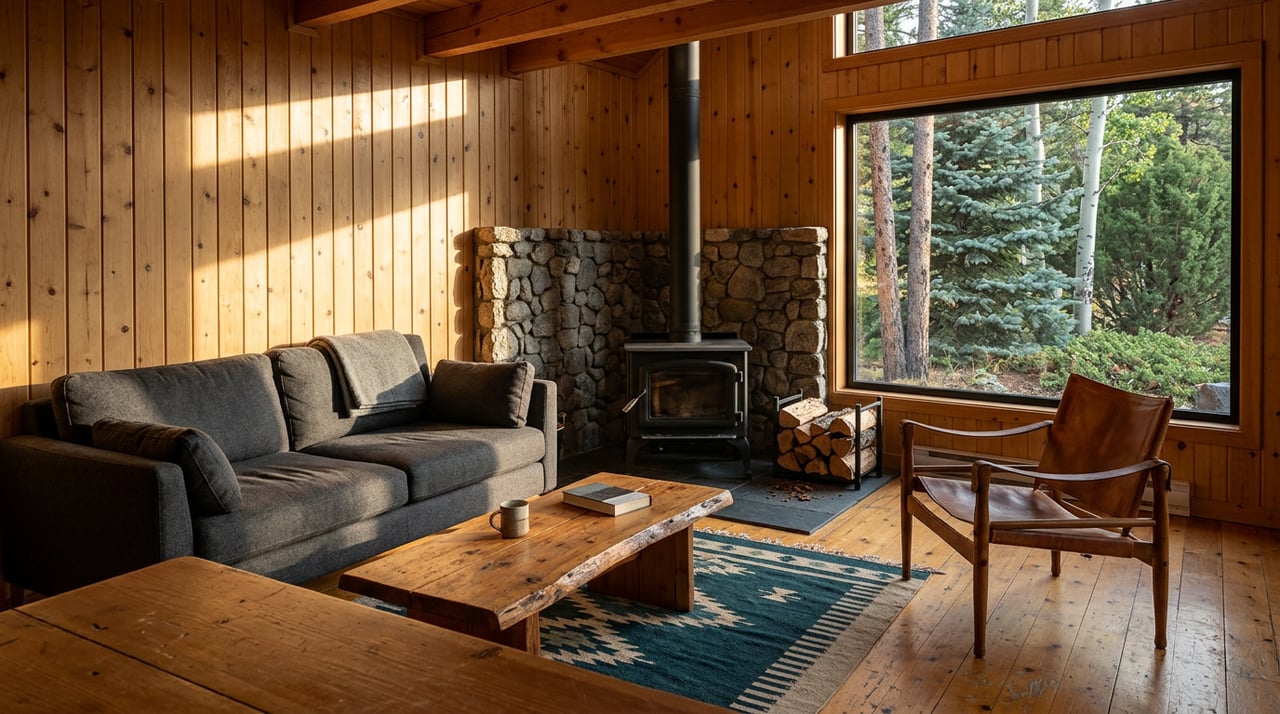
Picture a quiet morning at 8,500 feet, pine scent in the air and trailheads minutes away. If you’re drawn to that mountain retreat life, Allenspark can be an excellent fit. You also want the full picture before you buy, from winter access and utilities to wildfire readiness and rental rules. This guide walks you through what cabin living here really looks like, plus a practical checklist to shop with confidence. Let’s dive in.
Allenspark at a glance
Allenspark is a small, unincorporated community in northwest Boulder County at roughly 8,491 feet with a 2020 population of about 568. You’ll find it along State Highway 7 on the Peak‑to‑Peak corridor between Lyons and Estes Park. The location offers quick access to Roosevelt National Forest and the Indian Peaks area, with a drive of about 15 to 20 minutes to Estes Park and roughly 30 to 60 minutes to Boulder depending on route and conditions. Elevation and remoteness shape daily life, which is part of the appeal if you want a true mountain base rather than suburban convenience.
For a basic overview of the setting and elevation, take a look at the summary for Allenspark on Wikipedia.
Outdoor access and seasonal rhythms
Rocky Mountain National Park proximity
Allenspark sits just down‑valley from the Wild Basin entrance to Rocky Mountain National Park, which makes it a great launch point for hiking, fishing, and wildlife viewing. During the busy season, the park uses a timed‑entry reservation system that affects when and how you visit. If you plan to host guests or coordinate turnover days, make sure everyone understands the RMNP timed‑entry program before they arrive.
Indian Peaks and Brainard Lake
The Brainard Lake Recreation Area is a major summer draw with alpine lakes and high‑elevation trailheads near 10,600 feet. Access is seasonal and the Forest Service uses paid entry and vehicle reservations at peak times. Expect heavy weekend demand in summer and excellent quiet for cross‑country skiing and snowshoeing in winter. Check current details for the area on the USFS Brainard Lake page.
What this means for cabin use
If you picture quick weekend getaways and summer hosting, plan around peak visitation and reservation windows. Winter brings a calmer pace, beautiful snow days, and different access patterns. A home marketed as a retreat will likely see peak use in summer and holidays, so plan supplies, parking, and guest expectations accordingly.
Community, services, and response times
Allenspark is community‑oriented and small. The nonprofit hub, The Old Gallery, anchors local arts, classes, and events. Nearby, the historic Chapel on the Rock at Camp Saint Malo is a well‑known landmark that many first‑time visitors want to see.
Services are limited compared with Estes Park. Fuel and a few small businesses serve the town center. For emergencies, the Allenspark Fire Protection District is a volunteer district that covers a large rural area and often relies on mutual aid for bigger incidents. Learn more about local readiness and resources from the Allenspark Fire Protection District.
For medical needs, the nearest full emergency department for many Allenspark addresses is in Estes Park. You can review emergency and trauma services at Estes Park Health. Plan extra time for specialized care and larger shopping trips.
What you’ll see on the market
Most listings are rustic or updated cabins, log homes, mid‑century mountain houses, and forested lots. Parcels that border Roosevelt National Forest or sit near park access often command a premium. Inventory is thin at any given time and many properties are used seasonally.
Public market snapshots often show median sale prices in the high‑$500k to $700k range, but small markets swing when one large property sells. It is smart to rely on current MLS data and a local agent’s comps. Expect higher per‑square‑foot prices on homes with big views or direct adjacency to protected land.
Property essentials to verify
Water and wastewater
Many cabins use a private well and an on‑site wastewater system, often called septic or OWTS. Plan a full septic inspection, review county OWTS files, and confirm maintenance history. Boulder County’s SepticSmart program keeps a list of licensed professionals and guidance for owners. Start with the county’s SepticSmart licensed professionals.
Utilities and heat
Grid electricity is common near Highway 7 and main roads. Natural gas lines are often not present in mountain areas, so many cabins rely on propane and wood heat. Ask about the electrical panel, backup power options, propane tank size and ownership, and the condition of stoves or fireplaces.
Connectivity
Internet can vary by parcel. Many homes use fixed wireless or satellite, including services like Starlink. If you need to work remotely, verify realistic speeds and providers for the specific address before you make an offer.
Building, permits, and land use
Allenspark is in unincorporated Boulder County. New construction, major remodels, or a change in use will likely need county permits and inspections under the county’s Land Use Code. Request permit histories from the seller and verify plans with Community Planning and Permitting before you commit to significant projects.
Wildfire readiness and insurance
Wildfire is a real consideration in the foothills. Boulder County’s Wildfire Partners program provides home assessments and mitigation plans, and these assessments are increasingly referenced in local licensing and approvals. If you plan to rent or just want to reduce risk, budgeting for defensible space and ongoing forest maintenance is important. You can find requirements and references to mitigation in the county’s short‑term and vacation rental licensing page.
Insurance carriers look closely at wildfire exposure, access, and water supply for firefighting. In rural mountain areas with limited hydrants, premiums and underwriting can differ from in‑town policies. Talk with local insurance pros early to understand what mitigation steps and home‑hardening features they will require. The Allenspark Fire Protection District also offers community readiness resources you can use as you plan improvements.
Short‑term rental rules and timelines
If you want to offset ownership costs through rentals, study Boulder County’s license types and parcel‑level eligibility. The county distinguishes between short‑term rentals of a primary residence and vacation rentals of a non‑primary home. Applications often check septic compliance and may require wildfire mitigation documentation. Some licenses are capped in specific subareas. Start with Boulder County’s Short‑Term Dwelling and Vacation Rental Licensing page, then confirm details for your parcel.
Winter access and daily logistics
Allenspark’s elevation and location mean winter driving can be part of the routine. Road maintenance varies by street and driveway. Visit in winter if possible, and ask sellers about plow services, typical snow depth, and wind exposure. High‑elevation recreation sites like Brainard Lake illustrate how seasonal access patterns can change, so plan your approach and vehicle accordingly.
Buyer due‑diligence checklist
Use this list to compare properties and avoid surprises:
- Confirm parcel details: jurisdiction, legal lot status, and deeded access. Ask about road ownership and maintenance, including who plows in winter.
- Review OWTS: order a full septic inspection, pull county OWTS records, and understand age, capacity, and replacement costs. Start with Boulder County’s SepticSmart licensed professionals.
- Test water: schedule a well flow test and water‑quality test. If the home uses a cistern or hauled water, price delivery and storage.
- Assess wildfire steps: request a Wildfire Partners‑style assessment, document current defensible space, and budget for mitigation. See how mitigation connects to licensing on the county’s rental licensing page.
- Verify utility and heat: confirm the electric provider, propane tank status, heating sources, and any generator set‑up. Inspect the electrical panel and venting.
- Check internet: confirm providers and speeds at the address. Ask neighbors about reliability.
- Plan insurance: talk to local agents about wildfire exposure, coverage requirements, and premiums for the specific address. Review any requested home‑hardening items.
- Understand permits: request past permit records from the seller and ask the county about your plans for remodels or outbuildings.
- Clarify STR goals: if renting, confirm parcel eligibility, license type, occupancy rules, fees, and application timelines on the county’s licensing page.
- Compare comps: use current MLS data and a local agent’s insight. Expect per‑square‑foot premiums for view corridors and public‑land adjacency.
Is Allenspark a fit for you?
Choose Allenspark if you want a true mountain base with quick access to trails, a quiet community rhythm, and stargazing nights. Expect tradeoffs that come with elevation and seclusion, including winter driving, well and septic care, and a proactive approach to wildfire safety. With good planning and the right team, those tradeoffs become part of the charm of owning a cabin here.
If you want help matching your goals to the right property, reach out to Alissa Anderson for a local, step‑by‑step plan. From due diligence to negotiation, you will have a seasoned mountain‑area guide on your side.
FAQs
What makes Allenspark different from Estes Park for cabin buyers?
- Allenspark is smaller, higher in elevation, and has fewer services, which appeals to buyers seeking a quieter retreat with quick access to national forest and park areas.
How do Rocky Mountain National Park reservations affect cabin stays near Allenspark?
- In peak season, the park uses timed‑entry reservations, so you and your guests should plan entry windows in advance; review the RMNP program details before you book activities.
What should I know about septic systems when buying a cabin in Allenspark?
- Many homes use on‑site wastewater systems; order a full inspection, review county files, and consult Boulder County’s SepticSmart resources for licensed pros.
Can I short‑term rent my Allenspark cabin?
- Possibly, but you must meet Boulder County rules, license types, and any subarea caps; start with the county’s Short‑Term and Vacation Rental Licensing page and verify parcel eligibility.
How does wildfire risk in Allenspark impact insurance and upkeep?
- Expect to budget for defensible space and home‑hardening; insurers may have specific requirements, and local resources from the Allenspark Fire Protection District can guide preparedness.
Is internet dependable enough for remote work in Allenspark?
- It depends on the address; many properties use fixed wireless or satellite. Confirm providers and real‑world speeds at the property before you go under contract.