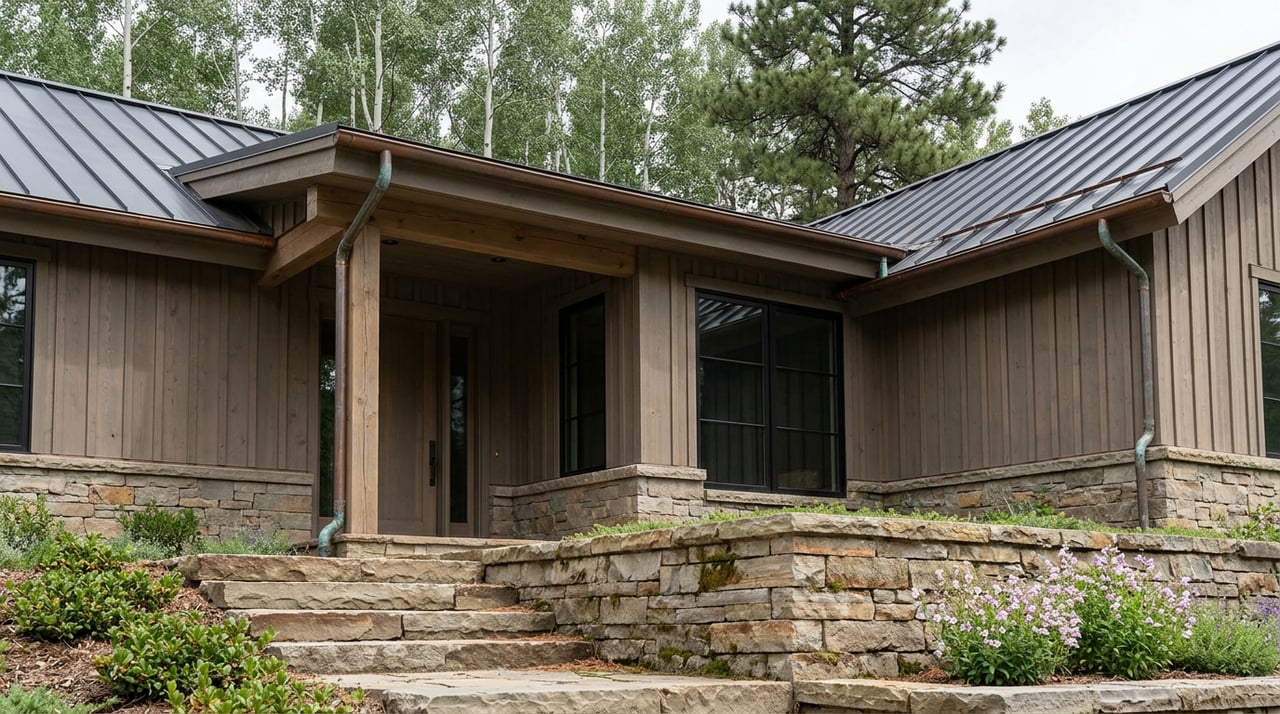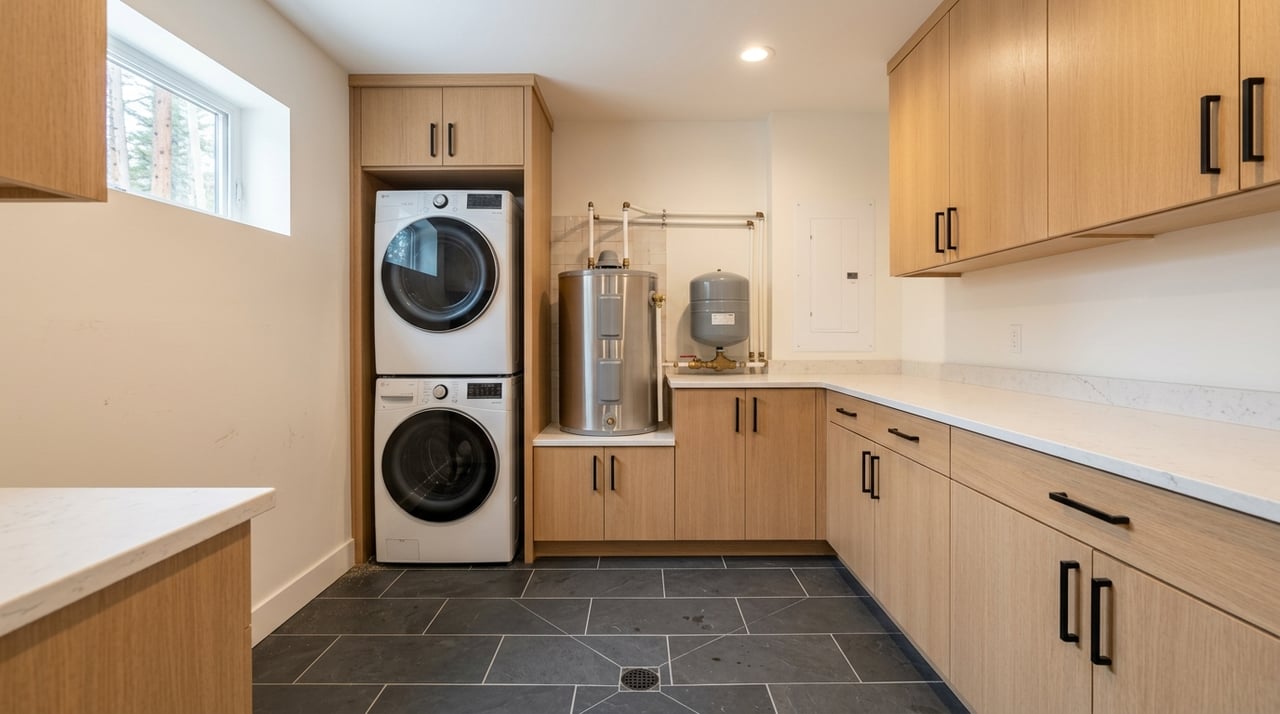
Buying a second home in Allenspark can feel like a dream come true, but mountain property comes with a different set of questions than a home in town. If you are hoping for a peaceful getaway, a seasonal retreat, or a property with future rental potential, the details behind the address matter just as much as the views. The good news is that asking the right questions early can help you avoid surprises and buy with confidence. Let’s dive in.
Start With Local Rules
Allenspark is an unincorporated community in Boulder County, which means county rules often matter more than city-style local ordinances. Depending on the property, you may also need to understand the role of a special district, HOA, or road association.
That matters because services are not always handled by one single entity. Roads, fire protection, water, and wastewater may be managed by different organizations, so one of your first questions should be: who is responsible for what at this property?
Ask Which Rules Apply
Before you move forward, confirm which layers of governance affect the parcel. A home may be subject to Boulder County requirements, special district services, HOA rules, private road agreements, or a combination of all four.
This is one of the biggest differences between buying a second home in the mountains and buying in a more typical suburban setting. You want a clear picture of what rules apply before you get attached to a property or make plans for future use.
Check Road Access Carefully
In Allenspark, road access is not a small detail. It can shape how often you use the home, how easy it is to reach in winter, and what maintenance costs you may need to plan for over time.
Boulder County’s road classifications show that some roads may have seasonal use restrictions, while others are not maintained for passenger cars. That means you should never assume a road is county-maintained year-round just because it appears drivable during a showing.
Ask Who Maintains the Road
Find out if the road is county-maintained, seasonal, or private. If it is a subdivision road or private road, ask whether a road association, HOA, or private contractor handles long-term upkeep.
This matters because Boulder County says it cannot do major resurfacing on subdivision roads. If the road needs work later, that responsibility may fall to owners through dues, direct billing, or special arrangements.
Ask About Snow Removal
Snow removal can affect both convenience and safety. Boulder County assigns snowplow priorities, and lower-volume or subdivision roads may be plowed only after major routes are cleared.
You should also ask who clears the driveway and mailbox area after storms. County plows do not stop to clear each driveway windrow, so if you plan to leave the property vacant for stretches of time, you will want a realistic plan for access when you return.
Ask About Future Access Work
If the property needs a new driveway, culvert, bridge, or other access improvement, Boulder County may require an access permit. That is especially important if you are buying a cabin or older property and expect to make site changes later.
A simple question now can save time and money later: Will any planned access work require county approval?
Understand Water and Septic
Water and wastewater questions are some of the most important parts of second-home due diligence in Allenspark. In mountain areas, the answer is not always public water and sewer.
A property may be served by the Allenspark Water and Sanitation District, a private well, a septic system, or some combination of services. Each setup comes with its own maintenance needs and records to review.
Ask What Water Source Serves the Home
If the home is on district water, ask about the service line to the house and what material it is made from. The district notes that service-line material is inventoried, and that matters for maintenance planning and freeze protection.
The district also says the area is extremely water short and wasting water to prevent freezing is not allowed. For a second home, that makes winterization and plumbing protection especially important if the property will sit empty for periods of time.
Ask for Well Records and Water Tests
If the property uses a private well, Boulder County says the homeowner is responsible for making sure the water is safe. The county recommends baseline testing for arsenic, hardness, coliform bacteria, copper, fluoride, iron, lead, nitrate, nitrite, and uranium, along with annual testing for coliform bacteria, nitrates, and nitrites.
That makes a recent well-water test one of the most useful documents you can request before closing. If no recent test is available, that is a sign to slow down and gather more information.
Ask About Septic Age and Condition
For homes on septic, Boulder County says systems typically last 15 to 40 years, should be pumped every 3 to 5 years, and should be inspected before buying or selling. Ask when the system was last pumped, inspected, and approved.
You should also ask whether a property transfer certificate is required before closing. In many Boulder County sales, that certificate is part of the process, and it is better to know early if any follow-up work is needed.
Ask If Future Plans Trigger Review
If you are thinking about remodeling, adding bedrooms, or changing how the property will be used, ask whether those changes would trigger a septic review. Boulder County reviews changes in use such as added bedrooms, added living space, accessory dwelling units, and some shifts to nonresidential uses.
For second-home buyers, this is a key planning issue. A home that works for your current needs may need further review if your long-term goals change.
Plan for Wildfire Readiness
Wildfire readiness should be part of your buying decision from day one. In western unincorporated Boulder County, wildfire mitigation requirements apply to new buildings, additions, alterations, and repairs.
That means you are not just buying a home. You are also taking on the responsibility of understanding defensible space, building materials, access, and emergency logistics.
Ask What Mitigation Is Already Done
Find out what wildfire mitigation work already exists on the property. Ask whether the home has defensible space, ignition-resistant materials, and a regular maintenance plan for vegetation.
Boulder County also offers Wildfire Partners home assessments for western Boulder County residents, and the county provides free drop-off for tree branches, logs, and timber in Allenspark and Nederland. Those programs can help you build a practical ownership plan after closing.
Ask About Emergency Water and Power
For some mountain properties, emergency readiness may include a cistern, backup power source, or other systems that support the home during outages or emergencies. Ask what is already in place and whether any equipment requires approval or regular maintenance.
This is especially important for a second home, since you may not be on site when an issue happens. The more you understand the property’s emergency setup, the better you can prepare.
Ask How Responders Find the Home
The Allenspark Fire Protection District covers about 160 square miles and maintains a property-information database to help responders locate key features like electrical panels, propane tanks, water cisterns, and special needs information. It also offers reflective house-number signs to make homes easier to find.
Ask whether the home is already in that system and whether the house numbers are visible from the road. In a mountain setting, small details can make a big difference during an emergency.
Ask How You Will Get Alerts
If this is a second home, you need a plan for staying informed while you are away. The local fire district points residents to county emergency notification systems and road-closure resources, so it is smart to ask how you will receive alerts if conditions change when you are not in Allenspark.
That question becomes even more important if you expect to leave the home vacant for longer stretches during winter or fire season.
Review HOA and Road Association Documents
If the property is part of an HOA or road association, ask for documents early. In Colorado, HOA governance falls under CCIOA, and buyers should review the CC&Rs, bylaws, rules, budget, fees chargeable upon sale, financial statements, reserve fund balances, insurance policies, and meeting minutes.
This paperwork can tell you a lot about how the community is run and whether there are any costs or restrictions that could affect your plans.
Ask About Dues and Special Assessments
Do not stop at the regular dues amount. Ask whether there are any pending special assessments, reserve shortfalls, or upcoming capital projects that could lead to added costs.
That is especially important for second-home owners, since road repairs, snow services, and shared infrastructure can create expenses that are not obvious from the listing price alone.
Ask If the Association Is Organized
You should also ask whether the HOA or road association is properly registered and responsive to records requests. A well-run association usually has current documents, clear communication, and a process for sharing financial records.
If it takes too long to get basic information, that can be a sign to ask more questions before moving forward.
Think Through Ongoing Services
Owning a second home in Allenspark often means building a reliable list of local service providers. Snow removal, septic pumping, well service, propane delivery, tree work, and roofing are not occasional extras in the mountains. They are part of regular property care.
Boulder County says contractors working in unincorporated areas must hold a county contractor license, except plumbers and electricians, who are licensed by the State of Colorado. Before you buy, it helps to know which local vendors can support the property and whether they are properly licensed.
Ask Who You Will Call
A great question for any mountain second-home purchase is simple: Who will I call when something goes wrong and I am not in town? Ask the seller, HOA, road association, or your real estate agent whether they can point you toward local providers for the services this specific home will need.
That list can become part of your ownership plan from the beginning, which is especially helpful if you live out of area.
If You May Rent the Home, Ask Early
If you are considering rental use, make sure you understand the county rules before you buy. Boulder County requires a local license for short-term or vacation rentals in unincorporated areas.
The county also requires Wildfire Partners participation for short-term or vacation rentals located in Wildfire Zone 1. If rental flexibility matters to you, this is a question to answer early, not after closing.
A Smart Second-Home Strategy
Buying a second home in Allenspark is often about lifestyle, quiet, and access to the mountains. But the smartest buyers know that confidence comes from understanding the practical side too, including roads, water, septic, wildfire readiness, and property governance.
When you ask detailed questions up front, you put yourself in a stronger position to choose the right property for how you actually plan to use it. If you want a mountain-home purchase that feels exciting and well-informed, that kind of due diligence is worth every minute.
If you are thinking about buying a second home in Allenspark and want clear, local guidance on mountain property details, connect with Alissa Anderson for a consultation.
FAQs
What should you ask about road access for a second home in Allenspark?
- Ask whether the road is county-maintained, seasonal, or private, who handles snow removal, and whether winter access is realistic for how you plan to use the home.
What should you ask about water service for an Allenspark second home?
- Ask whether the home uses district water or a private well, what the service-line material is, and whether recent water-quality testing is available.
What should you ask about septic systems before buying in Allenspark?
- Ask when the septic system was last pumped and inspected, how old it is, whether county records are available, and whether a property transfer certificate is required before closing.
What should you ask about wildfire readiness for an Allenspark property?
- Ask what mitigation work has been completed, whether the home has defensible space and ignition-resistant features, and what emergency water or backup systems are in place.
What should you ask about HOA rules for a second home in Allenspark?
- Ask for the CC&Rs, bylaws, rules, budget, fees, reserve information, insurance policies, and meeting minutes, and ask whether any special assessments or major projects are pending.
What should you ask if you may rent out an Allenspark second home?
- Ask what Boulder County licensing rules apply to short-term or vacation rentals and whether Wildfire Partners participation is required for the property.